

Daily Expense Tracking Tips For Better Financial Control
- April 10, 2026
- 0
Discover daily expense tracking tips to manage your money better, cut unnecessary spending, and build strong financial control and awareness.



9621 Agnes Crossing, Lake Suzanneview, New Mexico Island 84604-9295.
Discover daily expense tracking tips to manage your money better, cut unnecessary spending, and build strong financial control and awareness.

The process of managing money becomes much easier if you start tracking expenses. Some people have problems controlling money simply because they are not aware of how much money they waste.
The process of tracking expenses daily is helpful, as it gives you an opportunity to keep an eye on where you money goes and what consequences such expenses have for your budget.
Fortunately, there are no special requirements to follow. The only thing that matters is a person’s intention to become more aware and control financial flows.
In this blog post, you will find some practical pieces of advice that could help you track expenses daily.
First of all, it is important to choose a good tracking system. The most significant advantages of such a system are simplicity and accessibility.
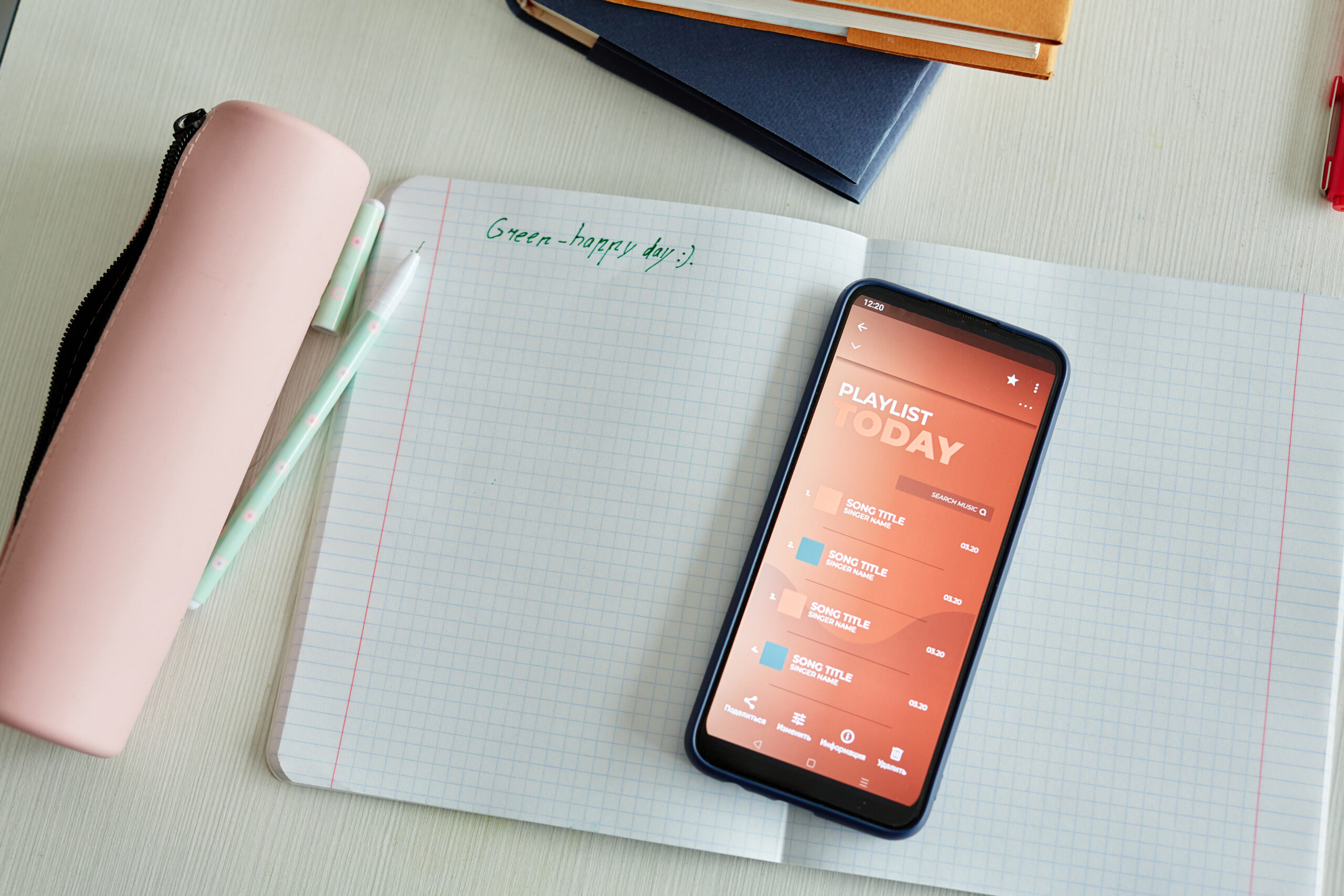
You can track your expenses on the paper, in a special application or on your phone.
The chosen method does not really matter.
The chosen tracking system should make your life easier. In other words, you should be aware of where you put expenses.
With the help of this system, you can analyze expenses and find areas to improve.
Another useful tip about tracking your expenses is to write down expenses instantly. Delaying leads to forgetting or misunderstanding something.
Thus, as soon as you spend any money, it is necessary to write down such facts.
Remember that it is necessary to keep track of even smallest expenses. Little expenses can lead to great consequences.
Recording expenses right away is very important if you want to develop a useful habit.
It seems quite logical to organize expenses according to certain categories. Such categories include food, bills, transport and personal spending.
Thanks to categorization, you can analyze expenses easily.
As soon as you look at expenses from various angles, you will be able to find unnecessary or too costly items.
It means that categorization can greatly facilitate the process of analyzing your budget.
It is important to develop a routine of checking your budget and making conclusions. At the end of the day, you should pay attention to your expenses.
You will be able to see how much money you wasted during the last day and whether it complies with the budget or not.
Such daily checkings give you a chance to avoid making serious mistakes related to money. They will help you save your money.
Furthermore, daily analysis is a good way to build your discipline and consistency.
When you start tracking your expenses, it becomes clear that there are some areas you should change. You might notice areas that do not bring you profits or that are too expensive.
The identified expenses should be reduced or controlled. It does not mean that you should not buy anything that is not needed.
All you need is to reduce some expenses. Gradually, you will be able to save some money.
The most crucial feature of expense tracking is consistency. In other words, it is better to track your daily expenses regularly with the help of a simple system.
Thus, you should turn your habit into the daily practice. You may choose some period of the day that is the most convenient for you.
Consistency makes this routine very simple in a short while.
It is important to use your tracking skills to control your budget. The collected information will help you create your budget and maintain it properly.
You will be able to set limits and manage your budget successfully.
Overall, tracking expenses is a very helpful habit you should develop. It helps you analyze your spending, identify unnecessary expenses and manage budget successfully.
You should develop a good system for expenses tracking, record your daily expenses instantly, organize expenses into various categories and check your expenses every day.
Furthermore, it is very important to track your expenses consistently.

I’m passionate about helping people simplify their financial lives. I share practical tips on managing money, reducing debt, and building smart habits for long-term success. My goal is to make finance easy to understand and apply in everyday life.